Nurturing today's young people, inspiring a confident Islamic identity, empowering tomorrow's leaders.
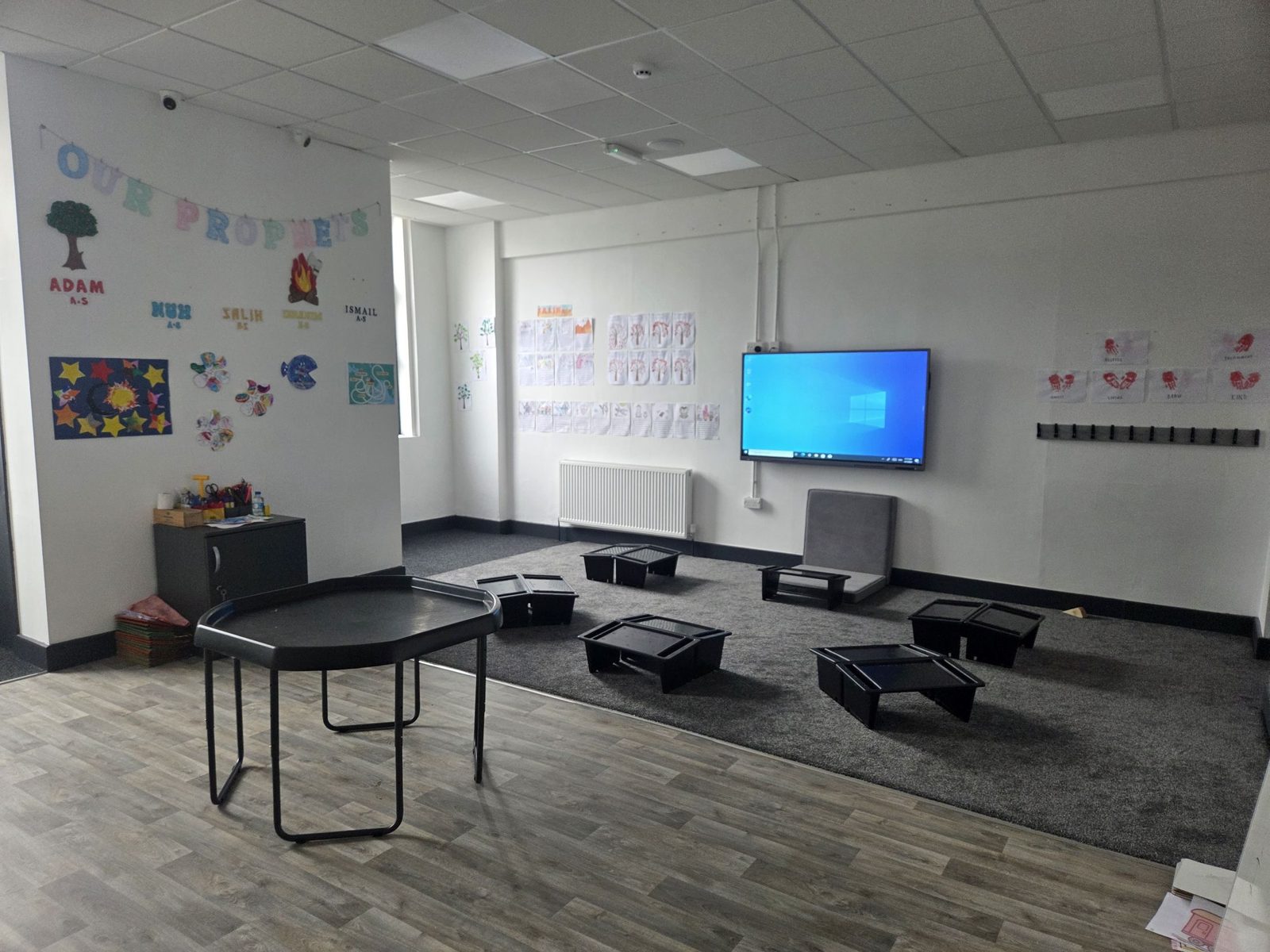
Qur'an, Qa'idah and Islamic Studies, taught daily in a structured, engaging, interactive environment.
Explore →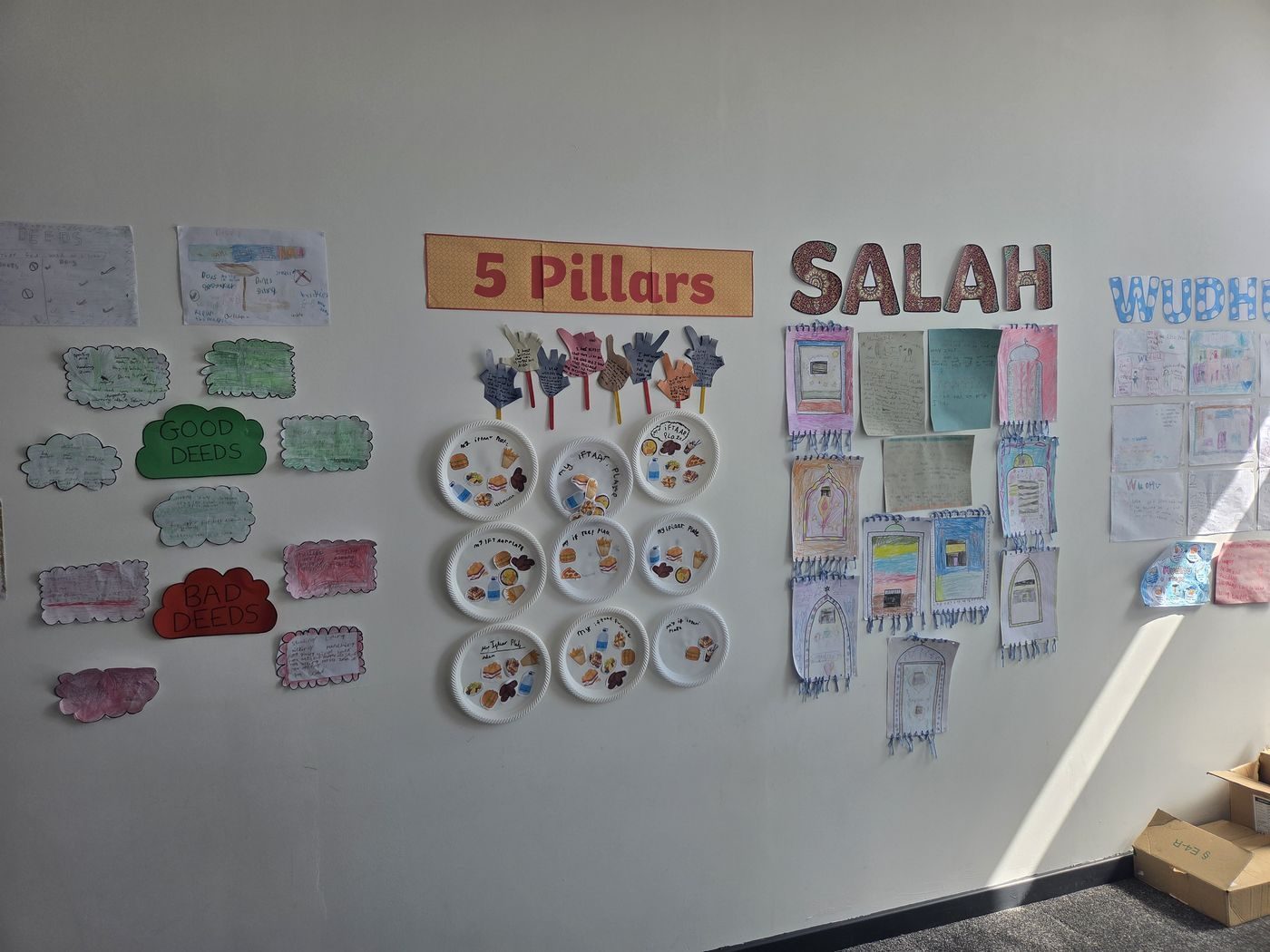
Structured Qur'an memorisation with daily new lessons and consistent revision.
Explore →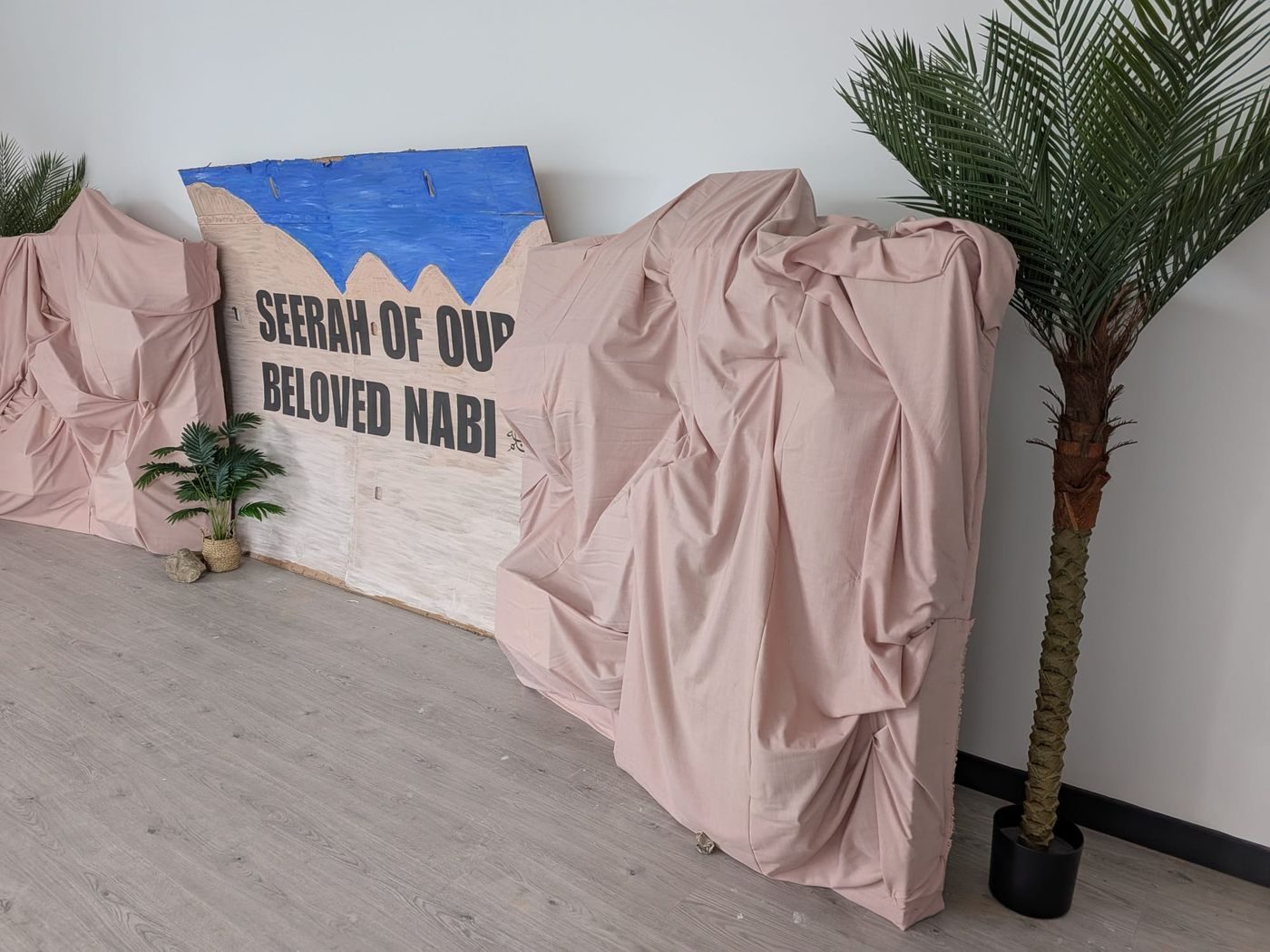
A seven-year pathway in Arabic, fiqh, hadith and tafseer, alongside tarbiyyah.
Explore →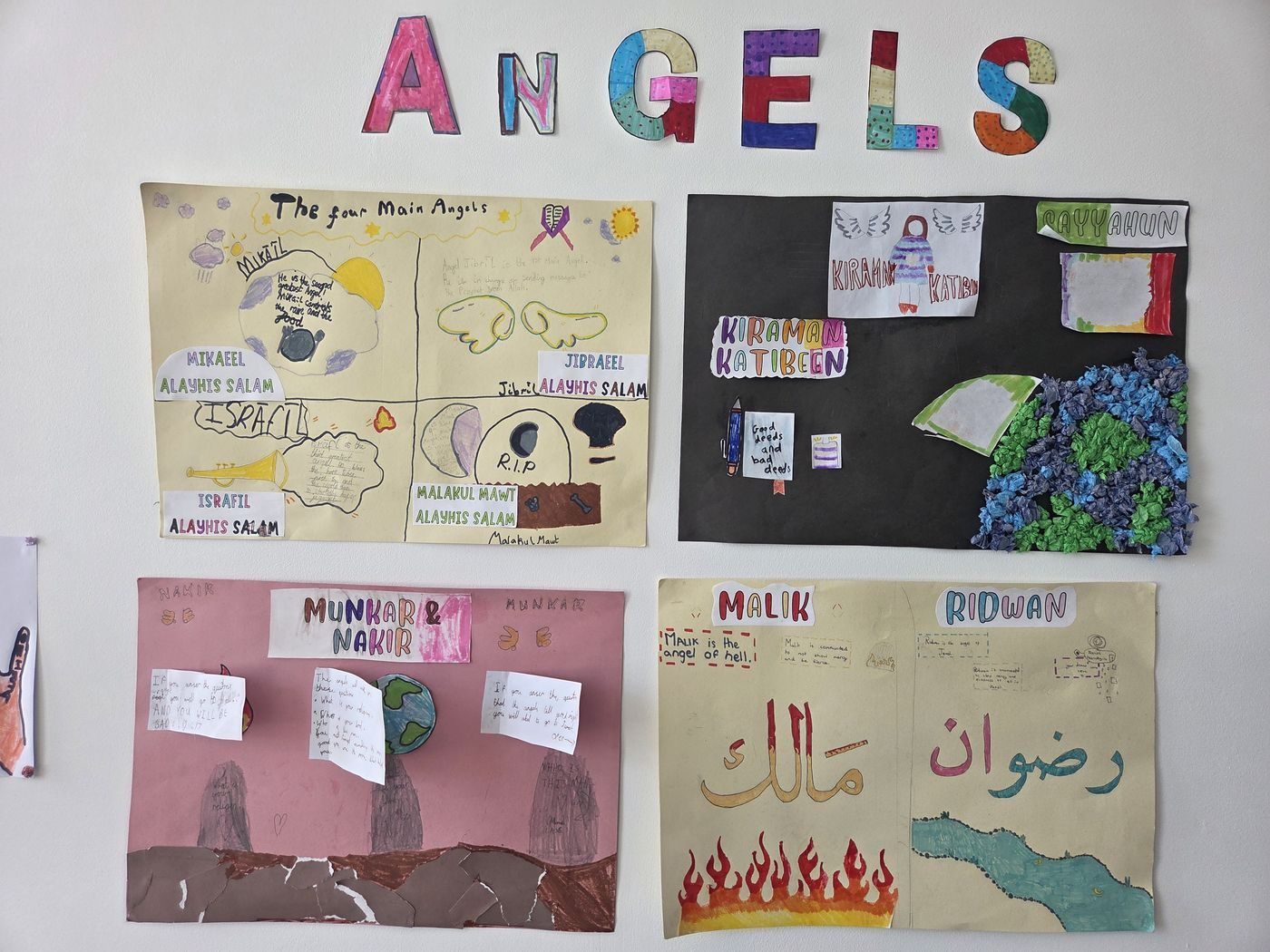
From Reception through Level 10 — building knowledge, understanding and character.
Explore →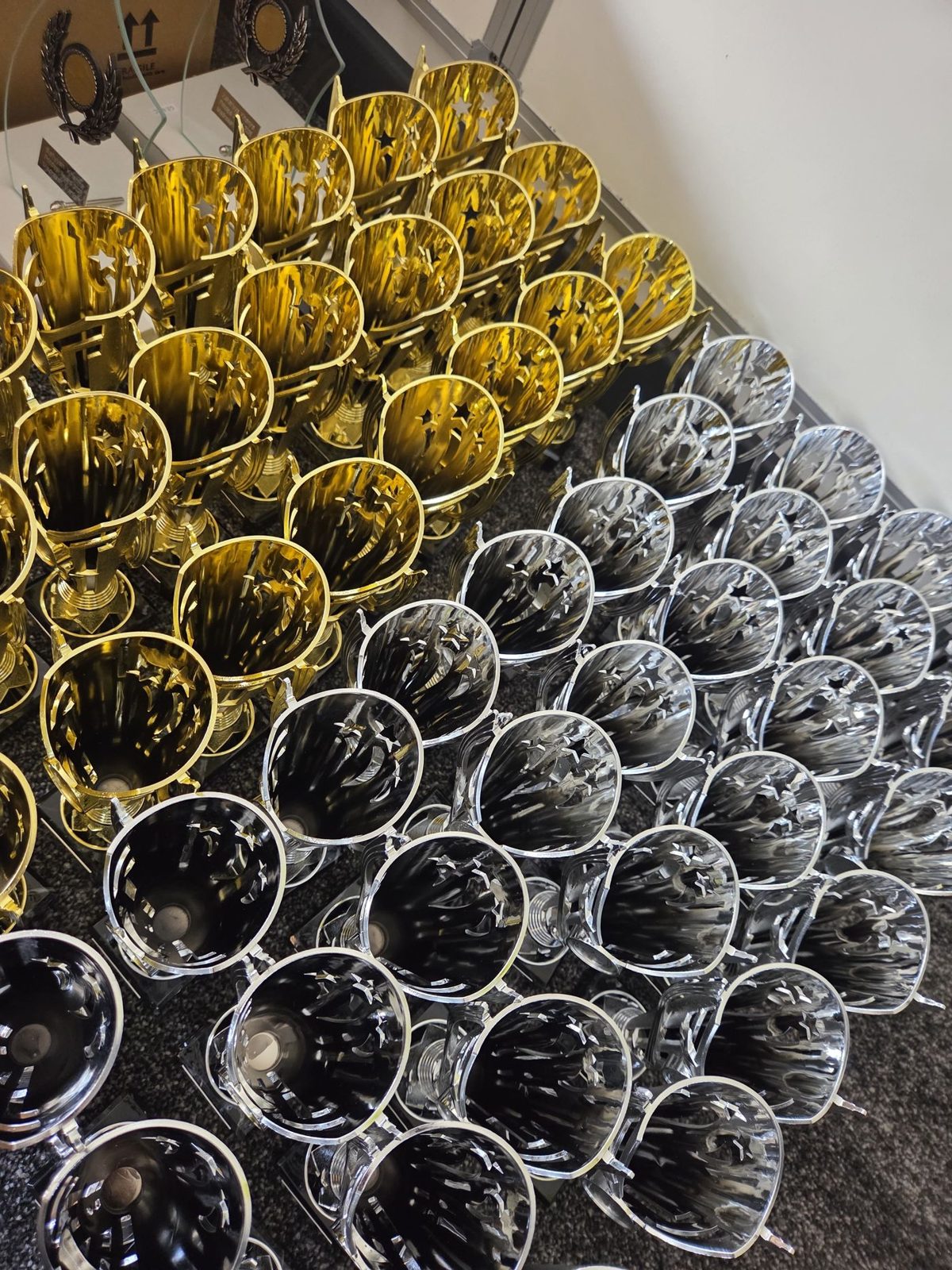
How to apply, our fees, uniform, and what to expect from your journey with us.
Explore →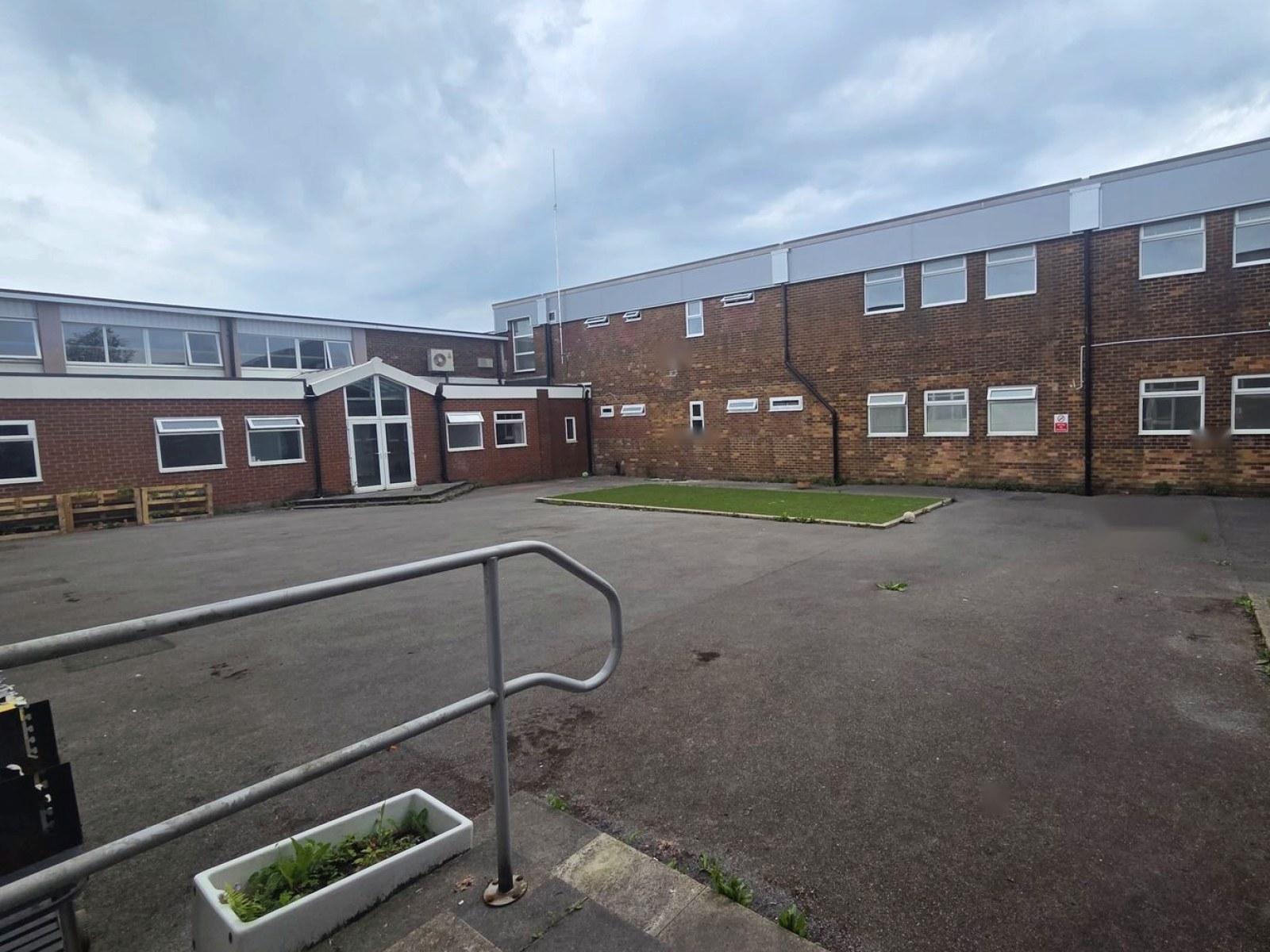
Find us at the Maryam Hikmah Centre, Shear Brow, Blackburn.
Explore →Madrasah Maryam began its journey in September 2023 as Taqwa Academy, serving the Pleckgate, Lammack and Brownhill communities with 100 students. Alhamdulillah, through the dedication of our staff, students and families, we grew rapidly, reaching nearly 200 students by 2024.
To accommodate this growth and serve even more families, we moved to new premises in 2025 and embraced a new identity as Madrasah Maryam. Our goal remains rooted in spreading the light of 'ilm (knowledge) and 'amal (action) to a wider community, nurturing young hearts with faith, discipline and excellence.
To promote a culture, guided by our Islamic faith, with the aim of cultivating the love of Islam, academic excellence, strong moral values, leadership and service — empowering our young people to play a positive role within a modern and harmonious society.
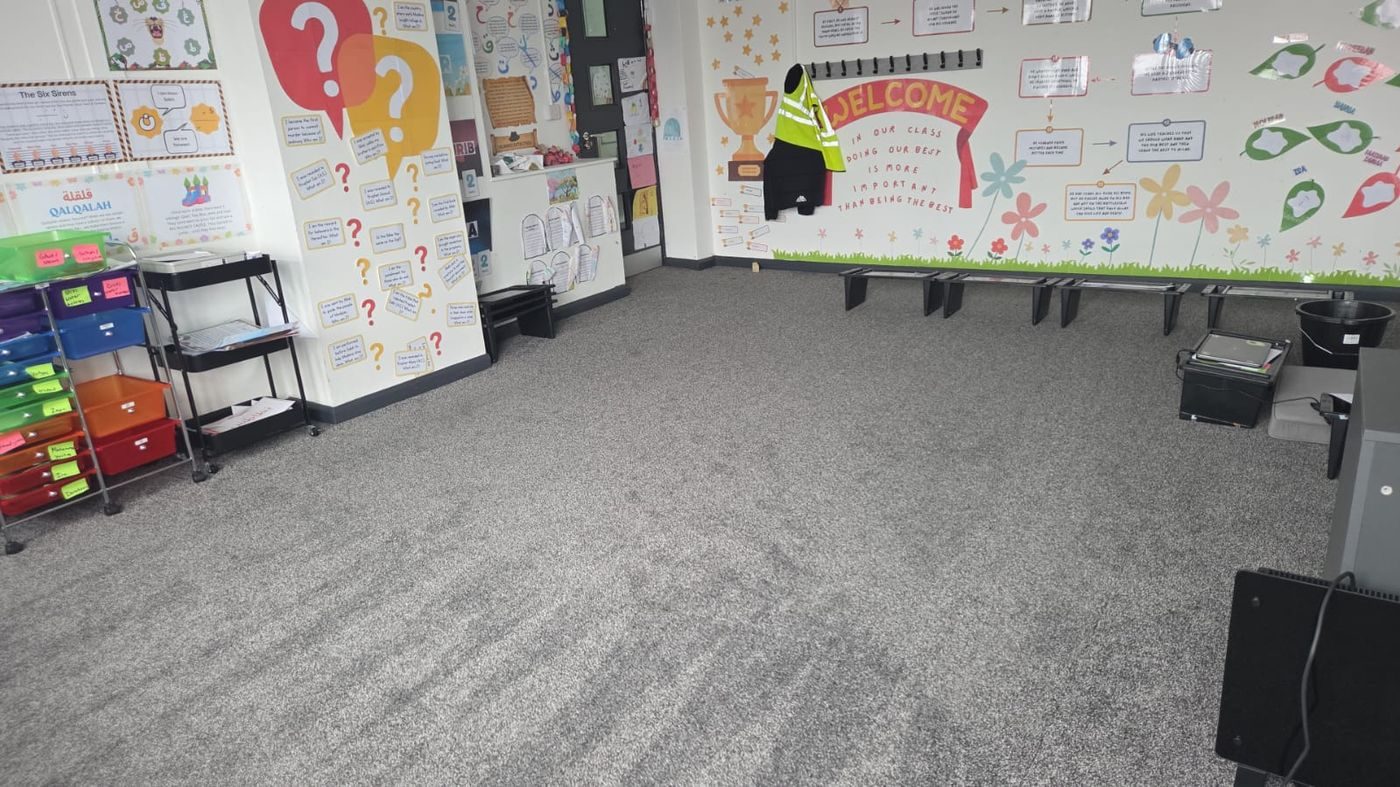
One of our classrooms — where every pupil is greeted with "in our class, doing our best is more important than being the best."
"Adab — it is the religion in its entirety."
Ibn Qayyim (rahimahullah)Adab (respect, etiquette and manners) is central to all that we teach. Our ADAB values underpin the merit system, guiding pupils to develop prophetic character in their daily actions.
Practising what you learn through good behaviour and righteous deeds. Islam is not just knowledge, but how you live it.
Following Madrasah rules, doing homework on time, and showing good manners — both in Madrasah and daily life.
Fulfilling responsibilities sincerely and honestly — keeping promises, doing homework, safeguarding others' trust.
Seeking and applying 'ilm that benefits yourself and others — growing in faith, character and service to society.
Madrasah Maryam has a dedicated team of talented and inspirational staff committed to delivering the highest standards for each and every child. We invest heavily in continuing professional training and development.
Every child moves through our Maktab programme from Reception to L10, with the option to continue into the newly designed Yr11+ part-time course. Pupils may also apply for the 'Alimiyyah or Hifdh programme.
Our core Maktab classes cover Qa'idah and Qur'an reading, Islamic Studies, and duas and surahs — building the foundation every child needs.
Every class opens and closes with the same routine, so pupils settle in and finish calmly, including set du'as and dhikr. Tarbiyyah is woven throughout — from everyday ADAB and belonging, through to real responsibility in the later years, as pupils grow from learners into leaders.
Structured, supported memorisation of the Qur'an, with daily new lessons and consistent revision to build lasting retention. Islamic Studies is taught alongside, appropriate to the pupils' ages, and Duas and Surahs are also assessed.
For pupils aged 11+ who have completed relevant Maktab studies with good character references. This advanced course builds on maktab knowledge and moulds students into ambassadors of deen, confident in their Islamic identity through firm, reliable knowledge.
The five pillars of our tarbiyyah journey
Friends, social media, habits and routines.
Purifying inner traits, guarding the tongue, learning sabr and shukr.
Reaching ihsaan through worship and mamoolaat.
Rights of parents, peers, teachers and community; modesty in dress and speech.
Seerah, the Sahaabiyyat, and the pious predecessors.
We believe Islamic education should be open to every child. Our SEN classes, known as Himum, are designed around that belief — giving children with additional needs their own dedicated space to learn Deen at a pace and in a style that works for them.
We are steadily growing this provision so that we can cater for a wider range of needs, always within a calm, supportive setting with small group sizes and adjusted timings.
Every pupil moves along three journeys at once — Qur'an & Tajweed, Islamic Studies, and Tarbiyyah — each starting from the basics and building, stage by stage, towards confidence and, eventually, leadership.
From Qa'idah to Qur'an completion, with tajweed woven in throughout — introduced in age-appropriate stages so pupils build proficiency gradually, before the final years focus on refining and perfecting recitation.
Letters, phonics and blending — the building blocks every child starts with.
Reading words, phrases and full lines, as the first rules of tajweed are introduced.
Rules are added year on year — from makharij to the rules of madd, noon and meem — building proficiency without overwhelming young reciters.
In the later years, focus shifts to perfecting rhythm, pace and precision, reciting fluently with consistent tajweed.
Our core curriculum is the Safar Academy syllabus, supplemented by selections from the Qur'anic Tarbiyyah syllabus — combining structured knowledge with reflective understanding.
Basic beliefs of Islam — the benevolence of Allah and the stories of the Prophets — through an engaging, play-based approach.
Fiqh, Islamic History, Adab, Seerah and Aqidah, alongside Adab & Akhlaq and Qur'an & Tadabbur, taught with a focus on their contemporary and relevant implications.
Revising previously learnt knowledge while exploring advanced and contemporary topics through Safar Academy Book 7, then Book 8 across L9–10 — applying knowledge to real-life situations. By L10, pupils also prepare and deliver their own sessions, cultivating confident leaders who embody respect and prophetic character.
Our tarbiyyah journey builds pupils' relationship with Allah Ta'ala outward, stage by stage — from core beliefs, to worship and character, to caring for others, and finally to representing Islam with sincerity and confidence.
The focus in early years is on establishing a solid foundation of Islamic beliefs to ensure a strong base of understanding — including the oneness of Allah Ta'ala, the angels and the Prophets.
Pupils further develop their love of Allah Ta'ala through an appreciation of His divine attributes, with emphasis on the importance and value of following the Sunnah — fostering a deep connection to Prophetic teachings.
Pupils are encouraged to develop a deep love for worship through studying its virtues, with consistent positive reinforcement — instilling a lasting passion for worship, seeking knowledge, and remembrance of Allah Ta'ala.
Pupils are taught the importance of caring for others — parents, neighbours and the community — while prioritising others' needs, fostering unity and brotherhood inspired by the example of the Sahabah.
Pupils are encouraged to perform all actions with sincerity and develop the confidence to represent Islam positively to others — invited to call others toward goodness while remaining steadfast against negative influences.
All three journeys run side by side in every class, so every year group across the Madrasah works through them simultaneously — ensuring equality of education and nurturing, regardless of which class your child is in.
We've moved away from numerical marks in favour of a clearer, continuous picture of each pupil's development throughout the year.
Each task is assessed against clear, level-specific descriptors, updated by class teachers every half term.
Monthly spot-checks by senior leadership, alongside a written Islamic Studies exam in January and July.
Final grades across all subjects are shared with parents at the end of the year, with clear next steps for each child.
Complete our application form, or contact admin directly.
Your child is placed at the level that suits them, based on age and existing knowledge.
Once confirmed, you'll receive induction information and access to the Parent Portal.
Your child joins their class, with progress reviewed every half term and shared with you regularly.
Backpacks should be plain black or Madrasah-branded, with no side-bags — the Qur'an is carried by hand.
Set out in full in our Parent Agreement, shared when a place is offered. In brief:
| Programme | Timing |
|---|---|
| Maktab (non-Hifdh) | 5:15pm – 6:45pm |
| Hifdh & 'Alimiyyah | 5:00pm – 8:00pm |
Our main method of communication. Visit parents.ibeuk.org/madrasahmaryam to:
Have a question before applying? Send us a message and a member of our admin team will get back to you.
Save our number:
07736 716908 — Volunteer. Attend. Share.
Our courtyard and classroom buildings, Shear Brow, Blackburn.
The Maryam Hikmah Centre sits in the heart of Blackburn, with dedicated classrooms for every stage — from our youngest Reception pupils to the 'Alimiyyah programme.
